

By Emma Johnson
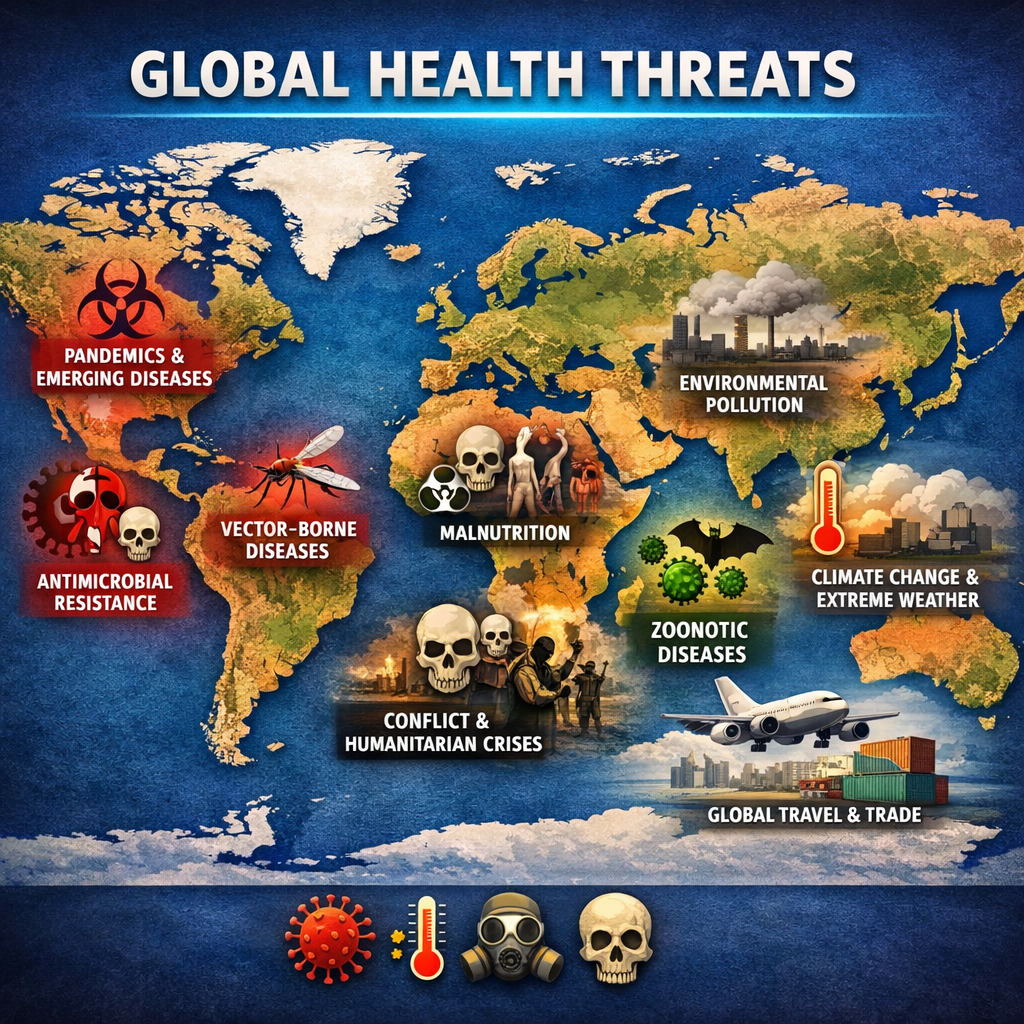
The world is facing a complex web of health challenges that threaten decades of progress—threats from infectious disease, climate change, and inequity are raising urgent questions about our collective readiness.
Persistent Diseases, Rising Risks
Despite gains, many countries are lagging behind on major health goals. A recent report from the World Health Organization shows progress in fields like HIV prevention, sanitation improvements, and vaccine access—but warns that several health-related Sustainable Development Goals are off track as of mid-2026. Some preventable risks like anaemia among women, childhood malnutrition, and environmental pollution remain high in many areas.
Infectious disease outbreaks continue to evolve. While COVID-19 no longer dominates headlines as it once did, the virus persists globally, especially affecting older and vulnerable populations. Meanwhile, outbreaks of vector-borne diseases (such as dengue and yellow fever) are increasing, particularly in regions with limited healthcare infrastructure.
Climate, Conflict, and Global Preparedness
Climate change is reshaping where—and when—disease outbreaks occur. Changing weather patterns expand the geographic reach of many vectors, placing new populations at risk. Drought, flooding, and displacement—often driven by extreme weather or conflict—strain local health systems.
Global readiness for future pandemics remains fragile. A recent OECD policy brief stresses that future outbreaks could overwhelm healthcare systems if early warning, rapid response, and surveillance systems are not strengthened. In addition, antimicrobial resistance is now seen as a top threat, causing millions of deaths annually—both directly and indirectly.
Gaps, Inequalities, and the Way Forward
Economic and social inequities remain central obstacles. Millions worldwide still lack access to basic health infrastructure, while others face financial ruin due to medical expenses. Maternal mortality, childhood vaccination coverage, and under-five survival rates vary greatly between and within nations.
Experts argue that the path forward requires more than just funding—it demands strong global cooperation. Multilateral institutions must adapt to changing climate, geopolitical tension, and rising health threats. Implementation-focused alliances, better data systems, and investment in resilient healthcare and early warning structures are considered essential.
For Omaha readers, these global trends matter. Travel, trade, climate, and migration link us to health developments far away. Robust global health systems protect local communities—making it more likely that tomorrow’s outbreaks are caught early, and that prevention efforts reach everyone.