

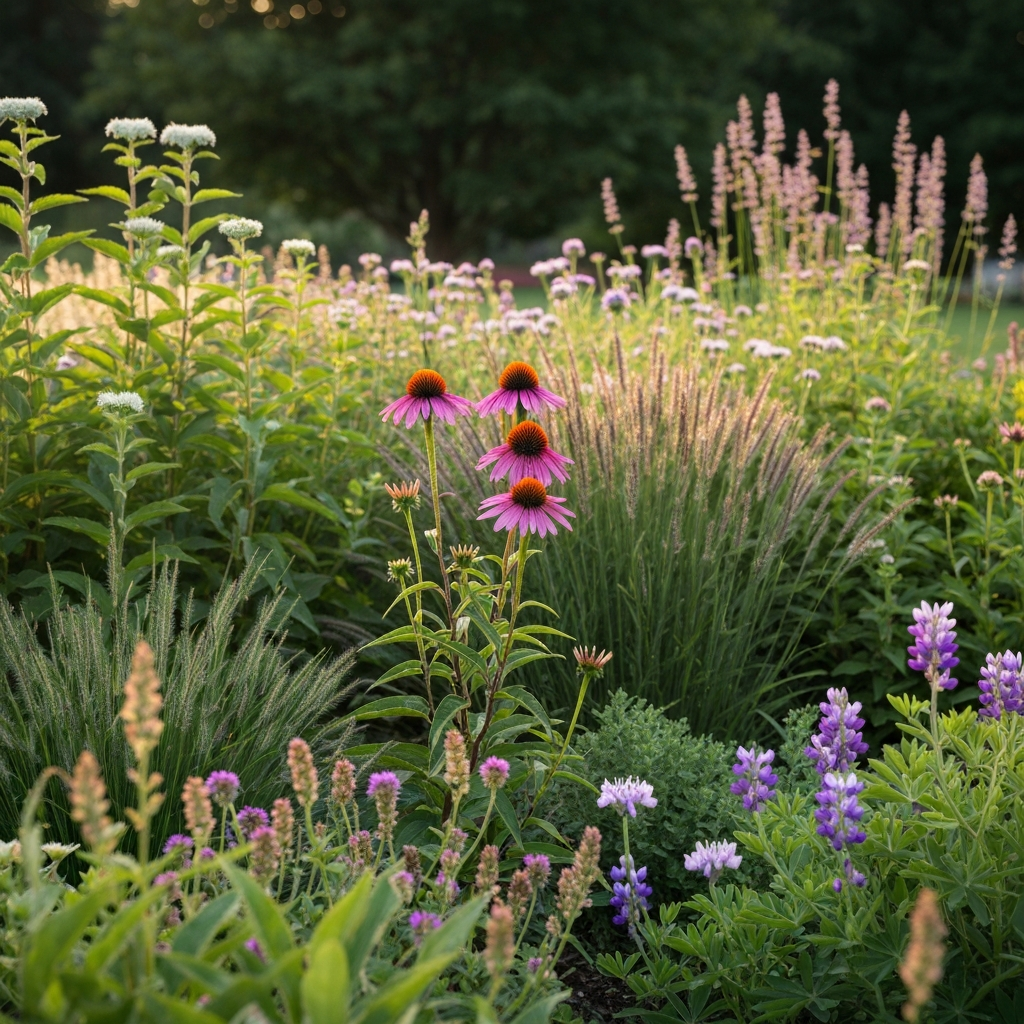
Gardening enthusiasts in Omaha are increasingly turning to native plants to create sustainable and resilient landscapes. Native species, having evolved over thousands of years in Nebraska’s unique climate, offer numerous advantages over non-native varieties.
Why Choose Native Plants?
Native plants are well-adapted to Omaha’s humid continental climate, characterized by hot summers and cold winters. This adaptation means they require less water, fertilizer, and maintenance once established. Additionally, they provide essential habitats for local wildlife, including pollinators like bees and butterflies.
Top Native Plants for Omaha Gardens
Perennials
- Purple Coneflower (Echinacea purpurea): Known for its striking purple petals and central cone, this hardy perennial attracts pollinators and thrives in full sun.
- Black-eyed Susan (Rudbeckia hirta): With bright yellow petals and a dark center, this plant blooms from mid-summer to fall, adding long-lasting color to gardens.
- Wild Bergamot (Monarda fistulosa): Also called bee balm, its lavender flowers are a favorite among bees and hummingbirds.
Grasses
- Little Bluestem (Schizachyrium scoparium): This ornamental grass offers brilliant rust-red fall color and provides nesting sites for native sparrows.
- Prairie Dropseed (Sporobolus heterolepis): Featuring fine-textured foliage and fragrant flowers, this grass is drought-tolerant and low-maintenance.
Groundcovers
- Wild Ginger (Asarum canadense): Ideal for dense shade, this groundcover spreads slowly and supports the Pipevine Swallowtail butterfly.
- Wild Strawberry (Fragaria virginiana): Produces edible fruit and serves as a pollen source for native bees, making it a functional lawn substitute in part shade.
Planting and Maintenance Tips
For optimal results, plant native species in spring or fall. During the first year, water them weekly during dry spells. By the second year, they typically require watering only during drought conditions. By the third year, these plants are usually self-sufficient. It’s important to note that native plants may appear less vigorous in their first year but will flourish from the third year onward.
Where to Source Native Plants
Several local nurseries and organizations specialize in native plants. For instance, Bumbling Bee Native Wildflowers in Omaha offers a variety of locally native and pollinator-friendly wildflowers and grasses. They aim to make native plants affordable and accessible to everyone. Additionally, the Omaha Plants database provides a comprehensive directory of shrubs, grasses, plants, and trees well-suited for the metro and Central Plains region.
By incorporating native plants into your garden, you contribute to a healthier ecosystem, conserve water, and enjoy a landscape that thrives in Omaha’s unique climate.