

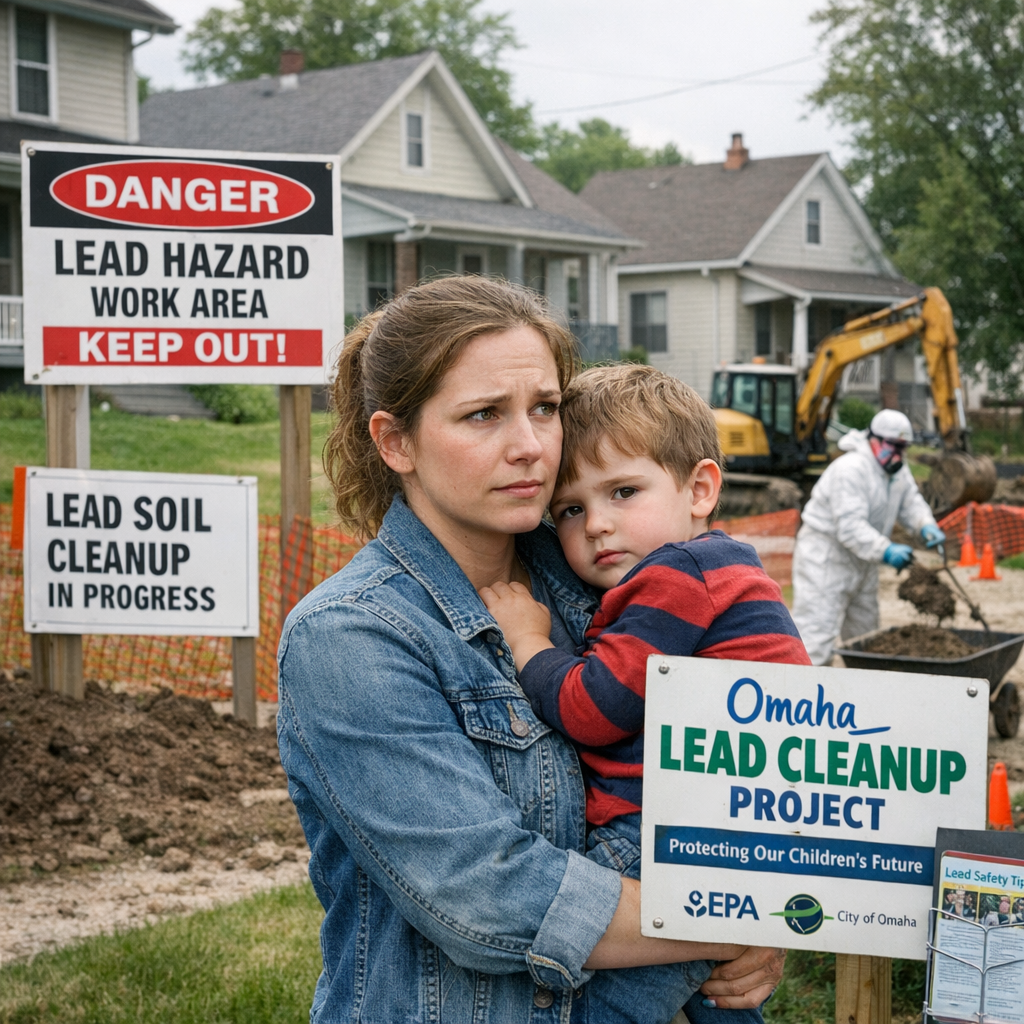
Omaha has a long history of industrial activity that has left a legacy of lead contamination in the soil, particularly in areas surrounding former smelting operations. This contamination poses significant health risks, especially to children, as lead exposure can lead to developmental delays and other serious health issues.
Current State of Lead Contamination
Over the past decades, the U.S. Environmental Protection Agency (EPA) and the City of Omaha have undertaken extensive cleanup efforts to remediate contaminated sites. However, recent reports indicate that these measures may not be sufficient to fully protect residents. In 2019, the EPA acknowledged that its existing plan might not adequately safeguard children from lead exposure, prompting a reexamination of the site and potential expansion of cleanup activities. Source
Challenges in Lead Testing
Despite the known risks, a significant number of children in Omaha’s affected areas are not being tested for lead exposure. This lack of testing means that many cases of lead poisoning may go undetected, preventing timely intervention and treatment. Public health officials emphasize the importance of regular lead testing for children, particularly those living in high-risk areas. Source
Community Initiatives and Recommendations
Addressing lead contamination requires a collaborative effort between government agencies, healthcare providers, and the community. Residents are encouraged to:
- Ensure that children undergo regular lead testing, especially if they reside in or frequently visit older homes or areas with known contamination.
- Engage with local health departments to stay informed about lead safety resources and programs.
- Advocate for continued funding and support for comprehensive cleanup efforts and preventive measures.
By staying informed and proactive, Omaha residents can help mitigate the risks associated with lead contamination and promote a healthier environment for all.