

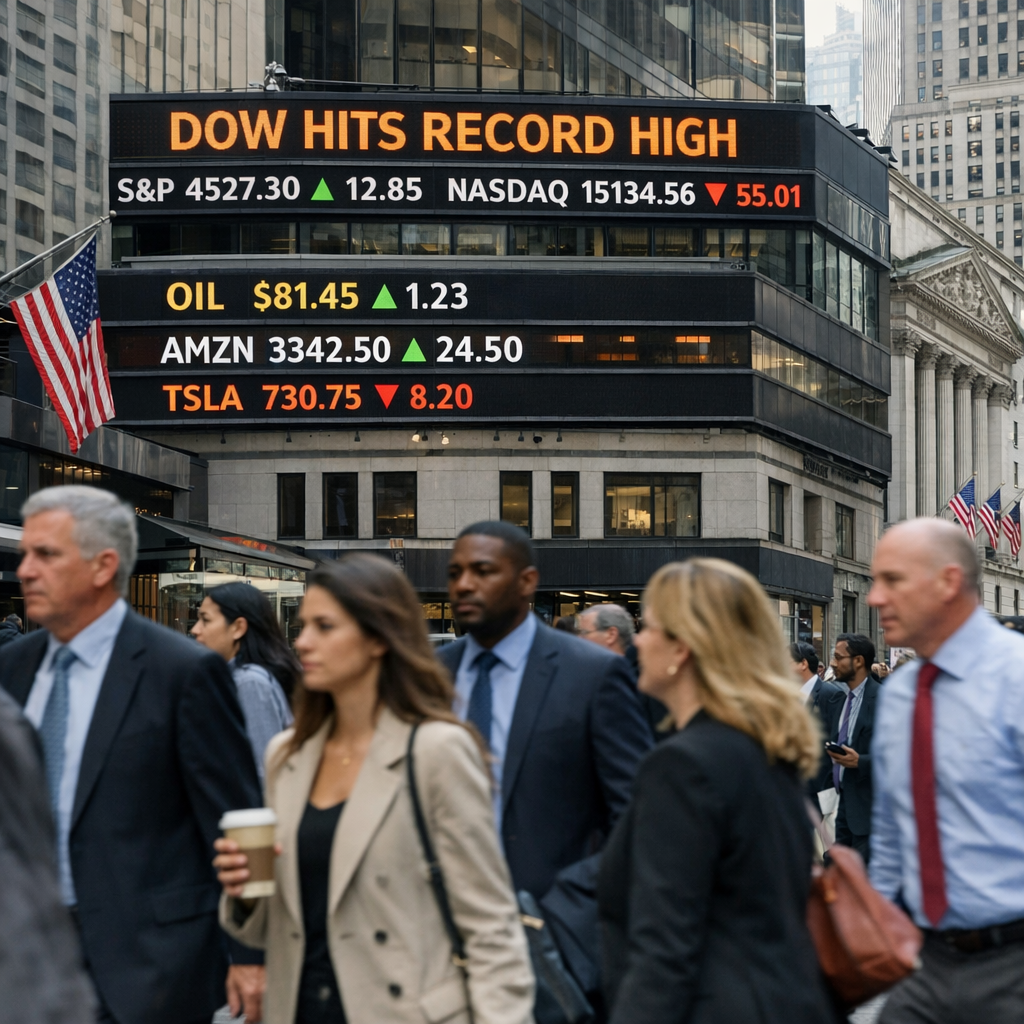
The U.S. economy is currently experiencing a period of moderate growth, with several key indicators providing insight into its health and trajectory.
Economic Growth and Employment
Recent data indicates that the economy is expanding, albeit at a slower pace than anticipated. The labor market continues to add jobs, reflecting resilience despite external pressures. However, long-term unemployment rates have shown a slight increase, suggesting that while many are finding employment, some sectors may be facing challenges in workforce reintegration.
Inflation and Consumer Prices
Inflation rates have decreased from their previous peaks but remain a point of concern. The Consumer Price Index (CPI) shows that while prices are stabilizing, certain goods and services continue to experience price volatility. This trend affects consumer purchasing power and overall economic confidence.
Trade Policies and Tariffs
Trade policies have been a focal point, with recent tariff implementations affecting various industries. These measures aim to address trade imbalances but have also introduced uncertainties in global supply chains. Businesses are adapting to these changes, and the long-term impact on the economy remains to be seen.
Federal Reserve and Interest Rates
The Federal Reserve is closely monitoring these economic indicators to inform decisions on interest rates. Maintaining a balance between fostering growth and controlling inflation is crucial. Any adjustments to interest rates will have significant implications for borrowing costs and investment strategies.
Looking Ahead
While the economy shows signs of resilience, it is essential to remain vigilant. Factors such as global economic conditions, domestic policy decisions, and unforeseen events can influence the economic landscape. Staying informed and adaptable will be key for businesses and consumers navigating the evolving economic environment.